Roof Inspections with a Drone: How Modern Technology is Transforming Property Management
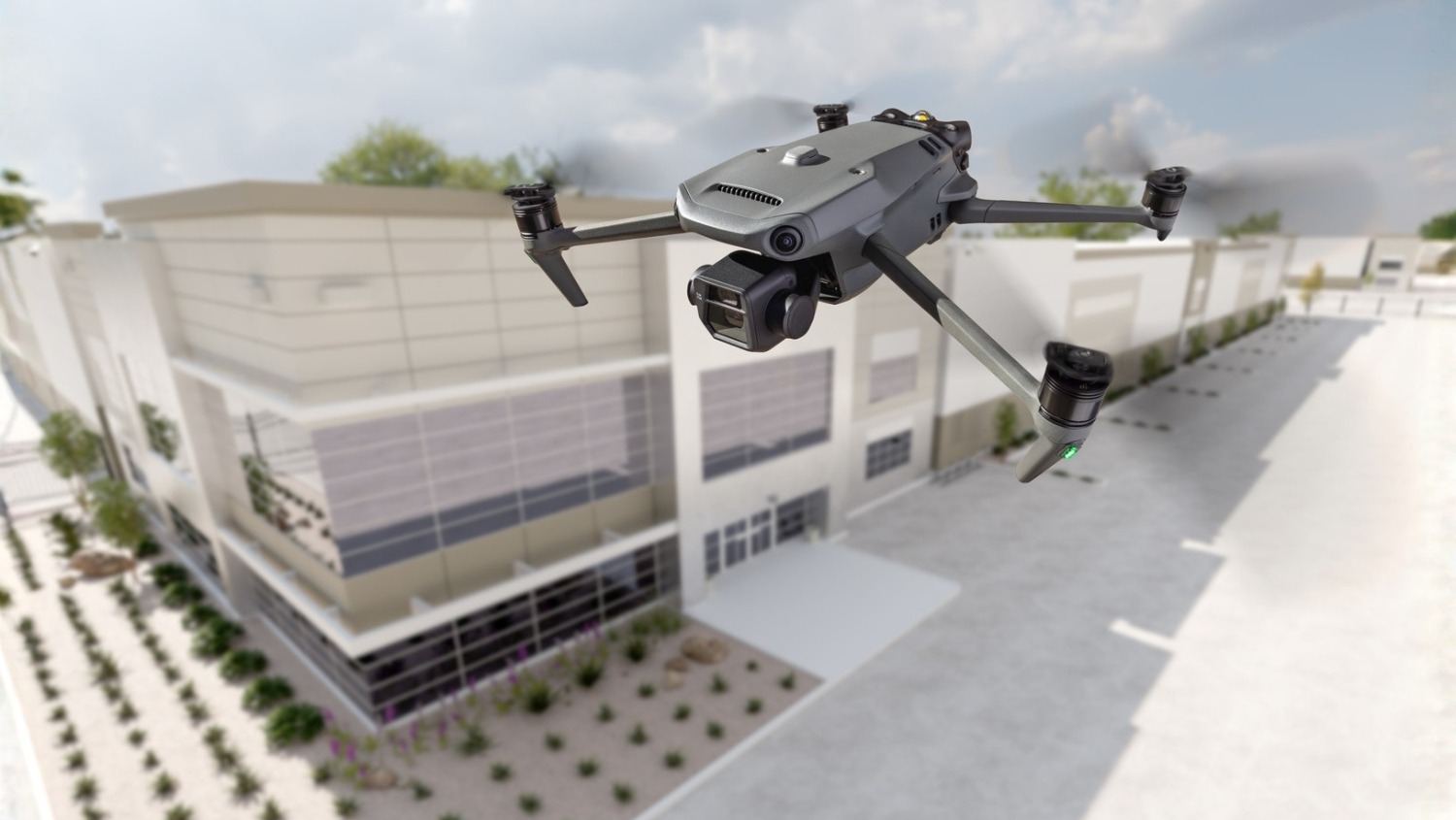
In recent years, technology has revolutionized how property inspections are conducted. One of the most impactful innovations is the use of drones for roof inspections. Not only do drones provide a safer alternative to traditional methods, but they also offer highly accurate insights that were previously hard to obtain.
Why Roof Inspections Are Critical
Regular roof inspections are essential for maintaining the integrity of any building. Small damages can quickly escalate into costly repairs if left unchecked. Traditionally, roof inspections involved manual climbing and visual checks, which carried safety risks and often failed to detect hidden issues. Here’s where drones are changing the game.
Advantages of Roof Inspections with a Drone
Many building owners are now shifting toward roof inspections with a drone because the process is safer, faster, and more detailed than traditional manual inspections. Instead of relying only on visible damage, drones help capture high-resolution images and videos that can reveal cracks, missing shingles, drainage issues, and other early warning signs.
- Enhanced Safety: Inspectors can assess rooftops without physically climbing, reducing the risk of accidents.
- High-Resolution Imaging: Drones capture detailed images and videos, making it easier to spot leaks, damaged shingles, or structural weaknesses.
- Time Efficiency: A drone can cover large areas in minutes, compared to hours required for traditional inspections.
- Cost-Effective: Reduced labor and equipment costs make drone inspections more affordable over time.
These advantages have made drones a preferred tool for many property managers and building owners.
How a Drone Surveying Company Can Help
A professional drone surveying company can provide detailed roof mapping, inspection images, and clear reporting that helps property owners track damage, plan maintenance, and document roof conditions for future reference. These companies specialize in aerial data collection, analysis, and reporting, so you can understand your roof’s condition clearly without relying on guesswork.
Applications Beyond Roof Inspections
While roof inspections are a primary use case, drones have broader applications in property management and construction, including:
- Surveying Large Properties: Drones can quickly map extensive sites, helping in planning and monitoring construction projects.
- Maintenance Planning: Detailed aerial data supports proactive maintenance, preventing minor issues from becoming major repairs.
- Environmental Monitoring: Drones provide valuable insights for green buildings and sustainability initiatives.
This versatility demonstrates why many businesses are integrating drones into their operational workflow.
Choosing the Right Drone Technology
Not all drones are created equal. For roof inspections, features such as thermal imaging, high-resolution cameras, and stability in windy conditions are crucial. Investing in the right technology ensures that inspections are accurate, comprehensive, and actionable.
The Future of Roof Inspections
The adoption of drones is likely to continue growing as technology advances. Artificial intelligence and machine learning are being incorporated into drone software, enabling predictive maintenance and automated issue detection. This means that future roof inspections could become faster, smarter, and more reliable than ever before.
Key Takeaways
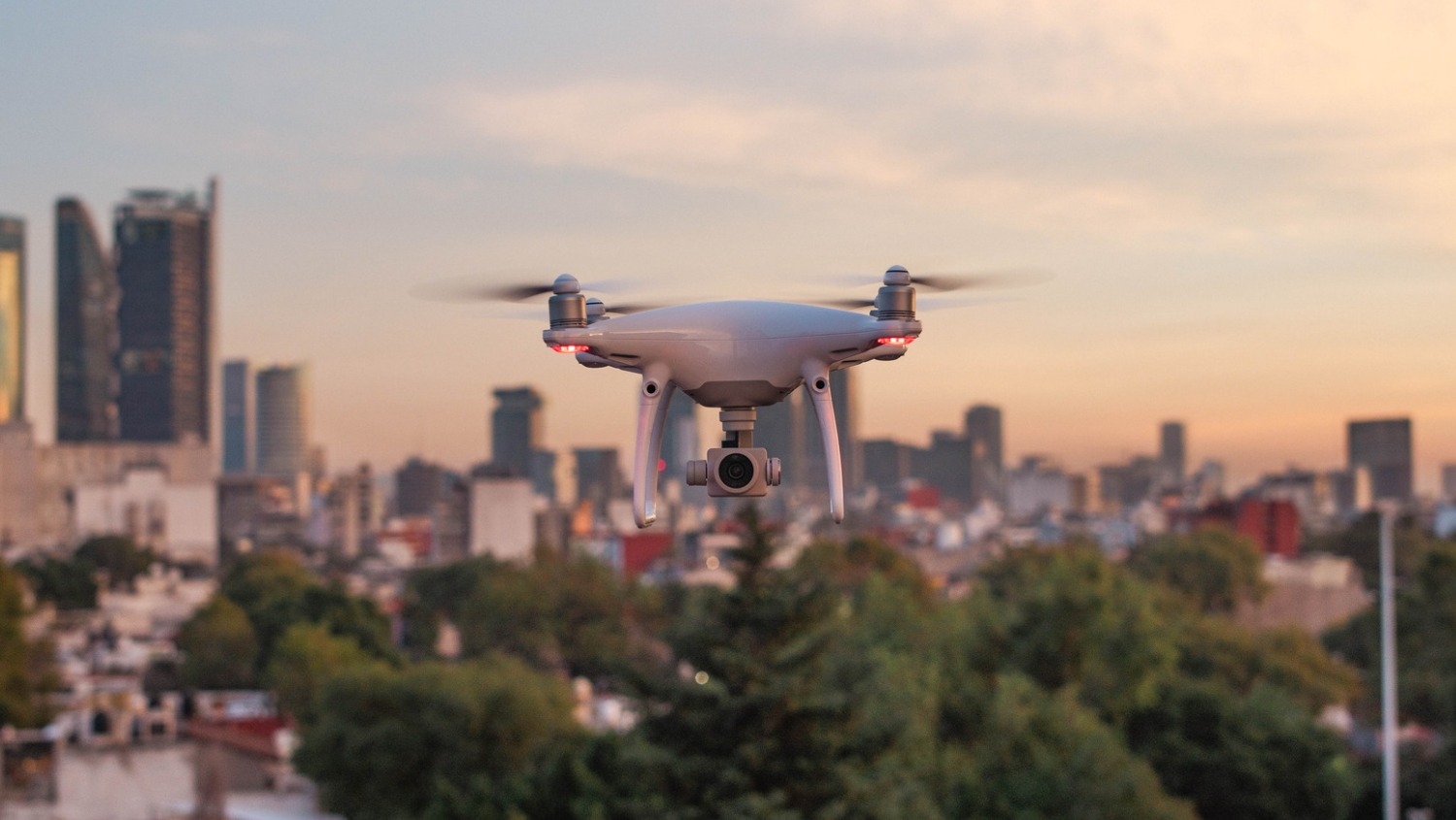
- Drones make roof inspections safer, faster, and more accurate.
- Collaborating with a professional drone surveying company ensures precise results.
- Drone technology has applications beyond roof inspections, benefiting broader property management and construction tasks.
- Investing in advanced drone features can enhance the quality of inspections and data analysis.
By embracing drone technology, property owners and managers can maintain their roofs efficiently, reduce risks, and make informed decisions based on precise, aerial data.