What Are Professional Roof Inspection Services and Why Drone-Based Inspections Are the Future
Roof inspections play a critical role in protecting buildings from long-term structural damage, safety risks, and costly repairs. Whether managing residential properties, commercial facilities, or industrial sites, accurate roof assessments help property owners make informed maintenance and investment decisions. As inspection needs grow more complex, professional roof inspection services powered by drone technology are becoming the industry standard.
Unlike traditional inspection methods that rely on manual access, ladders, or scaffolding, modern drone-based inspections provide safer, faster, and more detailed roof evaluations. This shift is reshaping how inspections are conducted across the construction, insurance, real estate, and facility management sectors.

Understanding Professional Roof Inspection Services
Professional roof inspection services involve a systematic evaluation of a roof’s condition using advanced tools, trained inspectors, and standardized assessment methods. The goal is to identify existing damage, potential weaknesses, and early warning signs before minor issues develop into major failures.
These services typically assess roofing materials, surface integrity, drainage systems, flashing, seams, and areas vulnerable to weather exposure. With drone-enabled inspections, professionals can capture high-resolution imagery and data without physically accessing dangerous or hard-to-reach areas.
To explore how modern inspections are performed using aerial technology, learn more about professional roof inspection services designed for accuracy, safety, and efficiency.
How Drone Technology Enhances Roof Inspections
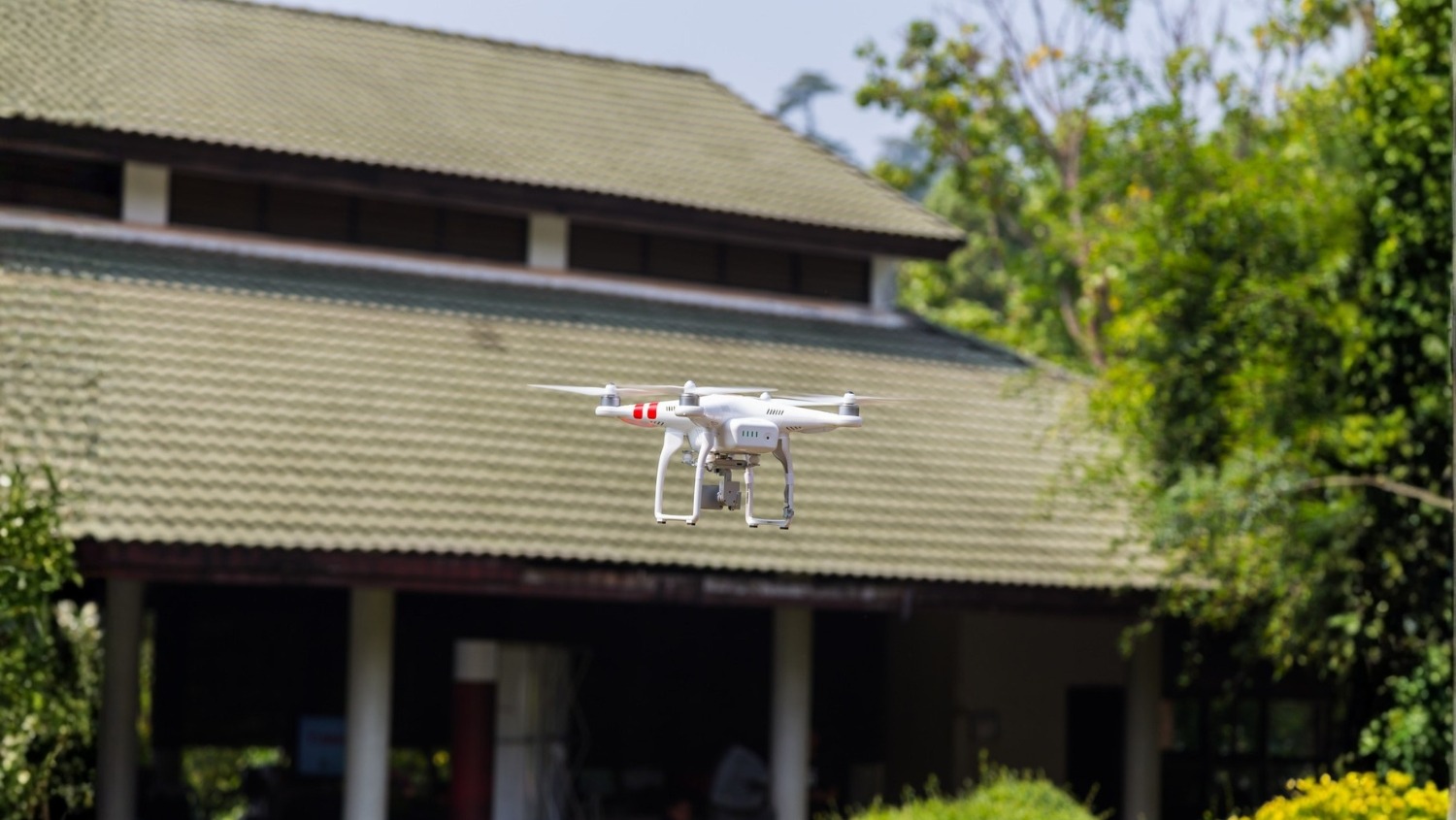
Drone technology has transformed roof inspections by enabling aerial data collection with precision and consistency. Equipped with high-resolution cameras and advanced sensors, drones provide a comprehensive view of roof surfaces from multiple angles.
This approach allows inspectors to detect issues such as cracked shingles, membrane damage, ponding water, thermal anomalies, and storm-related wear. Because drones capture visual evidence in real time, inspection reports become more objective, data-driven, and easier to validate.
Drone-based inspections also reduce human risk. Inspectors no longer need to walk on unstable surfaces or access elevated structures manually, making the process safer while maintaining inspection quality.
Why Accuracy Matters in Roof Assessments
Inaccurate or incomplete roof inspections can lead to overlooked damage, underestimated repair costs, and delayed maintenance decisions. Over time, these gaps can cause structural deterioration, interior water damage, and compliance issues with insurers or regulators.
Professional inspections supported by drone data improve accuracy by documenting the roof’s condition visually and digitally. This data can be archived, compared over time, and shared with contractors, engineers, or insurance providers for better decision-making.
For large or complex properties, drones offer a level of consistency that manual inspections often struggle to achieve, especially when inspections are repeated annually or after severe weather events.
The Role of Roof Inspections in Preventive Maintenance
Roof inspections are not only reactive tools used after damage occurs. They are essential components of preventive maintenance strategies. Regular inspections help identify early-stage issues, allowing property owners to schedule repairs before leaks or failures disrupt operations.
Drone-based professional inspections support long-term asset management by providing measurable data that tracks roof performance over time. This proactive approach reduces unexpected repair costs and extends the lifespan of roofing systems.
For organizations managing multiple properties, inspection data also supports budgeting, planning, and prioritization of maintenance activities.
Regional Considerations for Roof Inspection Services
Environmental factors significantly influence roof performance. In coastal and high-weather regions, roofs are exposed to heavy rain, strong winds, humidity, and temperature fluctuations. These conditions accelerate wear and increase the likelihood of damage.
Property owners seeking professional roof inspection services in Fort Pierce benefit from drone inspections that can quickly assess storm-related impacts, moisture intrusion, and structural vulnerabilities without delay. Fast, accurate assessments are particularly important in regions prone to severe weather patterns.
Drone technology enables inspections to be conducted immediately after weather events, helping property owners respond faster and reduce secondary damage.
Industries That Rely on Professional Roof Inspections
Professional roof inspections are essential across multiple industries, including construction, insurance, real estate, manufacturing, and public infrastructure. Each sector relies on accurate roof data for different purposes, from underwriting insurance policies to planning renovations or ensuring compliance.
In commercial and industrial environments, roof inspections also support operational continuity. Identifying issues early helps prevent leaks that could disrupt production, damage equipment, or compromise safety standards.
Drone inspections provide scalable solutions, making them suitable for single buildings as well as large property portfolios.
Why Professional Expertise Still Matters
While drone technology is powerful, professional expertise remains critical. Certified inspectors understand roofing systems, material behavior, and inspection standards. They know how to interpret drone data accurately and translate it into actionable insights.
Professional services combine technical skill with advanced tools, ensuring inspection results are reliable and compliant with industry expectations. This combination of expertise and technology is what distinguishes professional roof inspection services from basic visual checks.
The Future of Roof Inspections in Intelligent Operations
As intelligent operations become more data-driven, roof inspections are evolving into integrated digital processes. Drone-captured data can be combined with maintenance platforms, asset management systems, and predictive analytics tools.
This integration allows organizations to move beyond reactive repairs toward smarter, more efficient infrastructure management. Roof inspections become part of a broader operational strategy focused on safety, performance, and cost optimization.
Drone-enabled professional inspections are no longer optional upgrades—they are foundational tools for modern facility and asset management.
Final Thoughts
Professional roof inspection services supported by drone technology offer a safer, more accurate, and more efficient way to evaluate roof conditions. By combining aerial data collection with expert analysis, these inspections help property owners protect assets, manage risk, and plan maintenance with confidence.
As industries continue to adopt intelligent operational models, drone-based roof inspections will remain a critical component of proactive property management and long-term infrastructure resilience.